Ingredient: Sesame Seeds
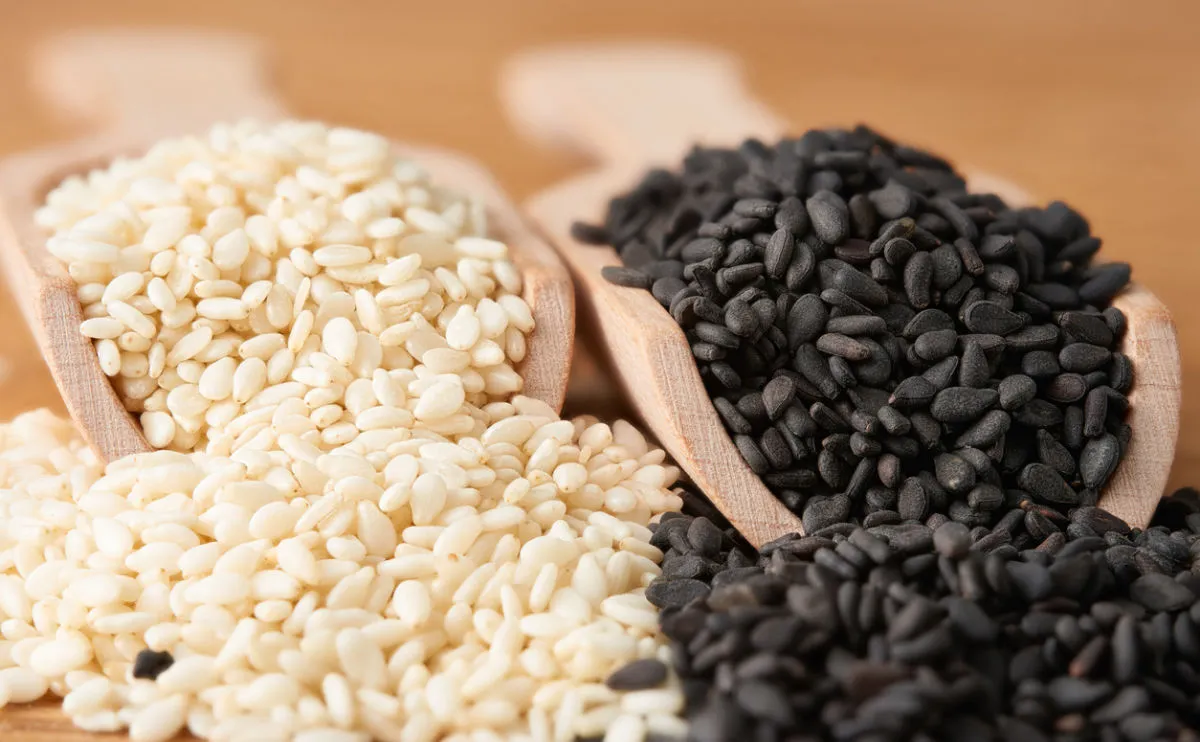
A ripe sesame pod is like a miniature treasure chest. Once it dries, it suddenly splits open and spills out its seeds, which could be where the magical command ‘Open Sesame’ came from. Archaeological evidence suggests it was being grown in South Asia more than 5,000 years ago, and traded west to Mesopotamia by around 2000 BC.
Sesame seeds may be tiny, but they pack in plenty of goodness. They provide plant protein, fibre and unsaturated fats, alongside minerals including magnesium, copper, zinc and iron. Unhulled sesame seeds are particularly rich in calcium, as much of it sits within the outer coating. They also contain plant compounds called lignans, including sesamin and sesamolin, which have antioxidant properties.
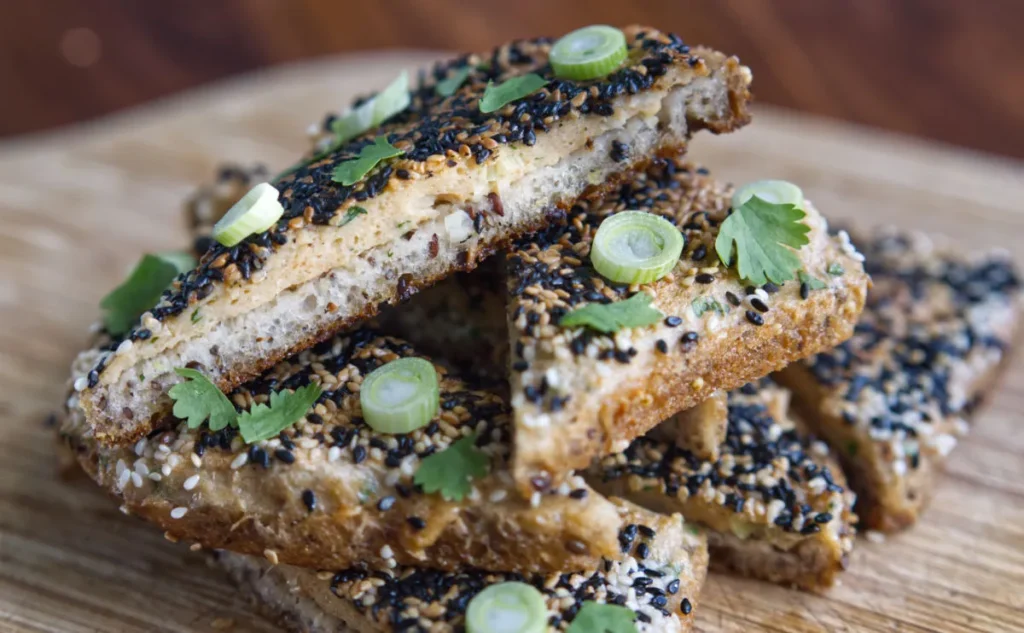
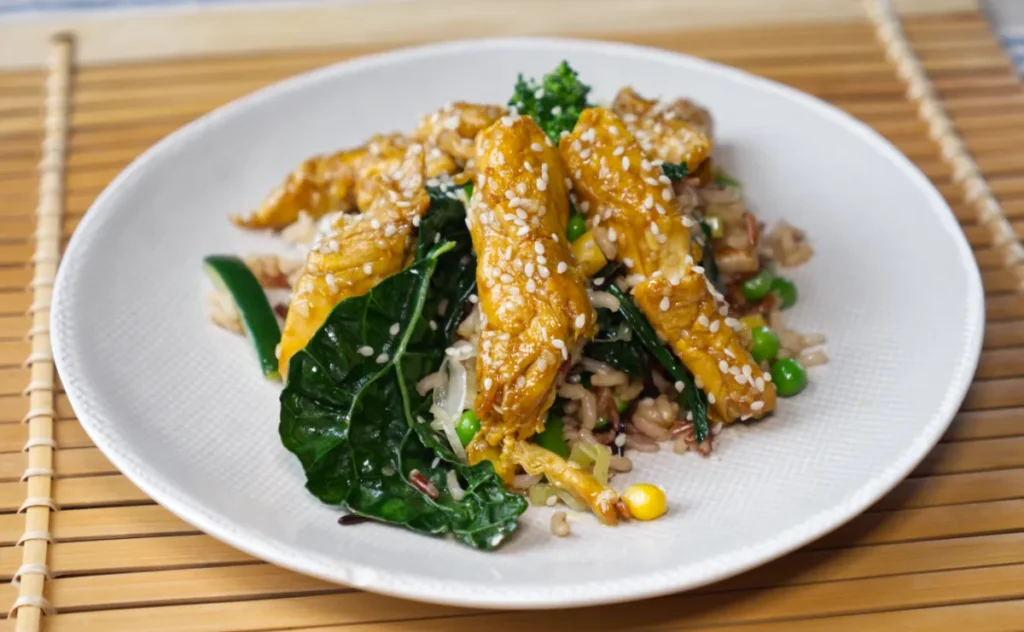
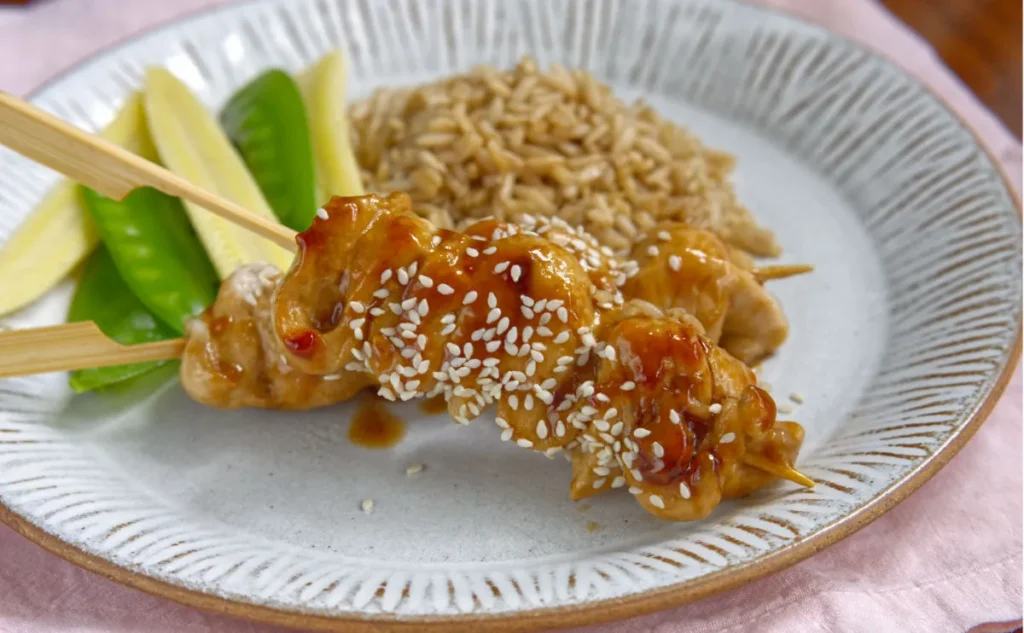
The pale seeds we tend to scatter over bread are mild and gently nutty, while black sesame seeds have a richer, slightly earthier flavour. Toasting them briefly in a dry pan brings that nuttiness properly to life. Sprinkle them over salads, stir-fries and roasted vegetables, or use them in baking. I also love coating a tuna steak in sesame seeds before cooking it. Delicious! Ground sesame seeds become tahini, the creamy, savoury paste that gives houmous much of its character.
Recipes with Sesame Seeds…