
Cranberry and Orange Sauce

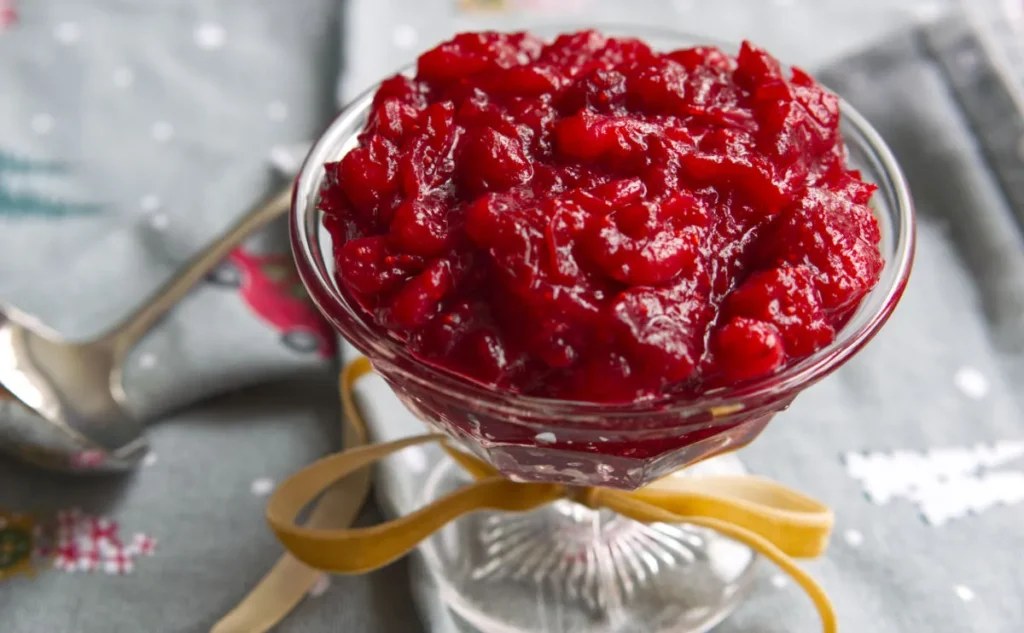
This beautifully simple cranberry sauce has become an absolute staple in our house at Christmas, and it is honestly one of those recipes I look forward to making every year! The orange adds a lovely natural sweetness and depth that transforms the sharp tang of cranberries into something really special.
I started making my own cranberry sauce a few years ago when I realised just how much refined sugar lurks in the shop-bought versions and often fructose-glucose syrup, which many families are working hard to avoid. When you make it yourself, you know exactly what’s going in, and it takes literally 5 minutes to make. Yes, really!
Whilst we always have this on the table alongside our Christmas turkey, we’ve also started enjoying it year-round with venison or any roasted meat. It’s wonderfully versatile and makes everything taste that bit more special.
From a nutritional perspective, cranberries are absolute heroes. They’re rich in proanthocyanidins, which are brilliant for supporting a healthy urinary tract and kidneys. They also contain useful nutrients, including vitamins C and K1, as well as the minerals manganese and copper, so this sauce isn’t just tasty; it’s actually doing you good, too.
Get our lovely Healthy Bites newsletter!
Each week, you’ll get an amazing recipe, a useful health tip, and an ingredient to jazz up your shopping basket!
Cranberry and Orange Sauce
Ingredients
- 300 g Cranberries (Fresh)
- 2 Oranges
- 4 tbsp Honey
Instructions
- Zest one of the oranges and squeeze the juice of both oranges.
- Add the orange zest, juice, cranberries and honey to a saucepan and cook for 5 minutes on a medium heat until the cranberries are soft.
- Use a wooden spoon to stir quite vigorously to break up the cranberries and turn the mixture into a thick sauce.
- Once it has cooled, maybe stir in some Jarrah honey to give it some extra antimicrobial properties.
Notes
Per serving. Nutrition content in food is never consistent, so take these estimates with a pinch of salt! Also, our recipes tend to use low-GI carbs and sugars, so these values are not directly comparable with shop-bought UPFs.
NB. This is an update of a recipe published 9 December 2015.
Get more recipes like this
Lucinda's cookbooks
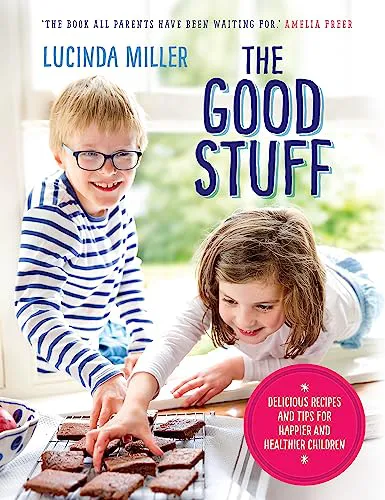
The Good Stuff
Over 100 easy recipes for toddlers to teens, with clever swaps for the main allergens.
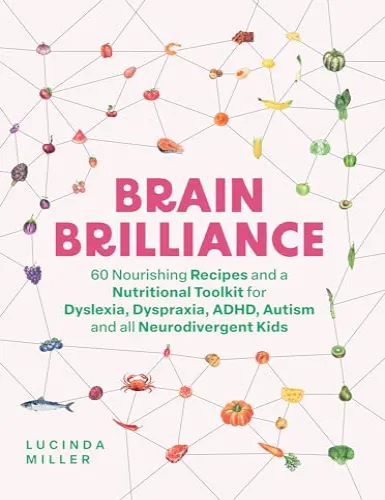
Brain Brilliance
60 nourishing recipes and a nutrition toolkit for dyslexia, dyspraxia, ADHD, autism and all neurodivergent kids.
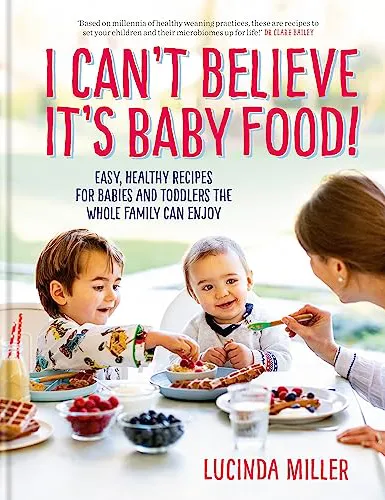
I Can't Believe It's Baby Food
Cook once with more than 120 weaning recipes from six months that the whole family can share.
Three bestselling family nutrition cookbooks from NatureDoc founder Lucinda Miller, packed with recipes that feed growing brains, gut and immunity.
Responses