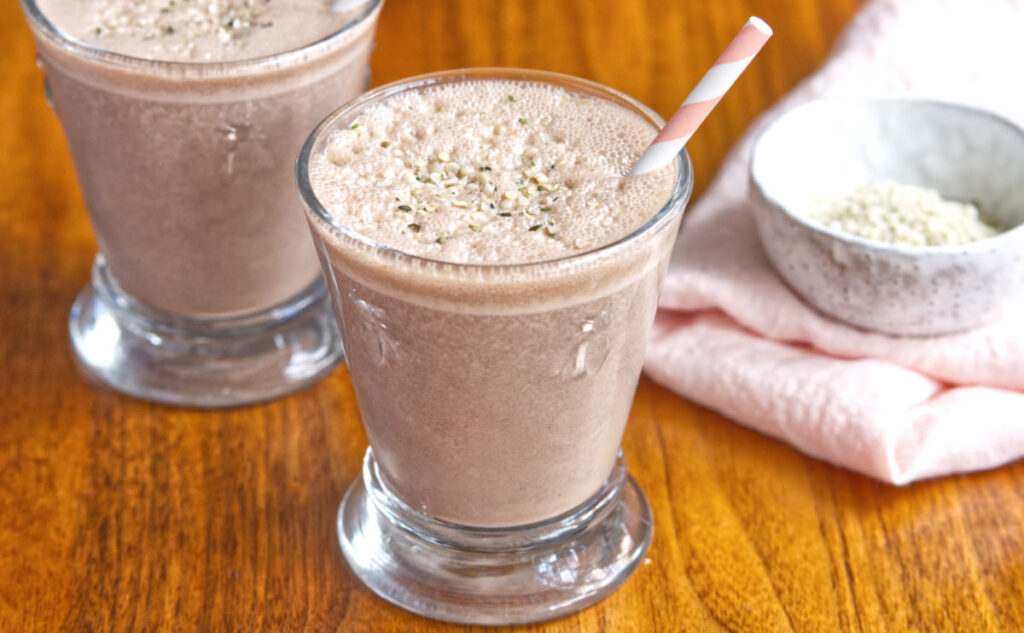
Ingredient: Yoghurt

Somewhere around 10,000 years ago, probably in Central Asia, milk left in the sun thickened instead of spoiling. Stored in animal-skin pouches, it gently fermented and turned into what we today call yoghurt.
Yoghurt was slow to catch on here in the UK, only really becoming common in the 1960s, while families across Turkey, the Balkans and India have been eating it for generations.
In the early 1900s, a Nobel Prize-winning scientist, Elie Metchnikoff, noticed that Bulgarian communities who ate plenty of yoghurt often lived long lives. He may have overdone the claims, but he was right to be curious about the link between fermented foods, your gut and longevity.
Yoghurt adds protein to help keep hunger at bay, along with calcium and B vitamins. As it is fermented, it contains less lactose than milk, so some people can tolerate it more easily.
If you are buying yoghurt for gut support, look for “live” or “bio” on the label. I tend to recommend full-fat plain yoghurt and we always have a tub of thick and creamy Greek yoghurt in the fridge.
Yoghurt works brilliantly stirred through curries, spooned over granola, or used as a marinade for chicken.
Recipes with Yoghurt…