Ingredient: Onion
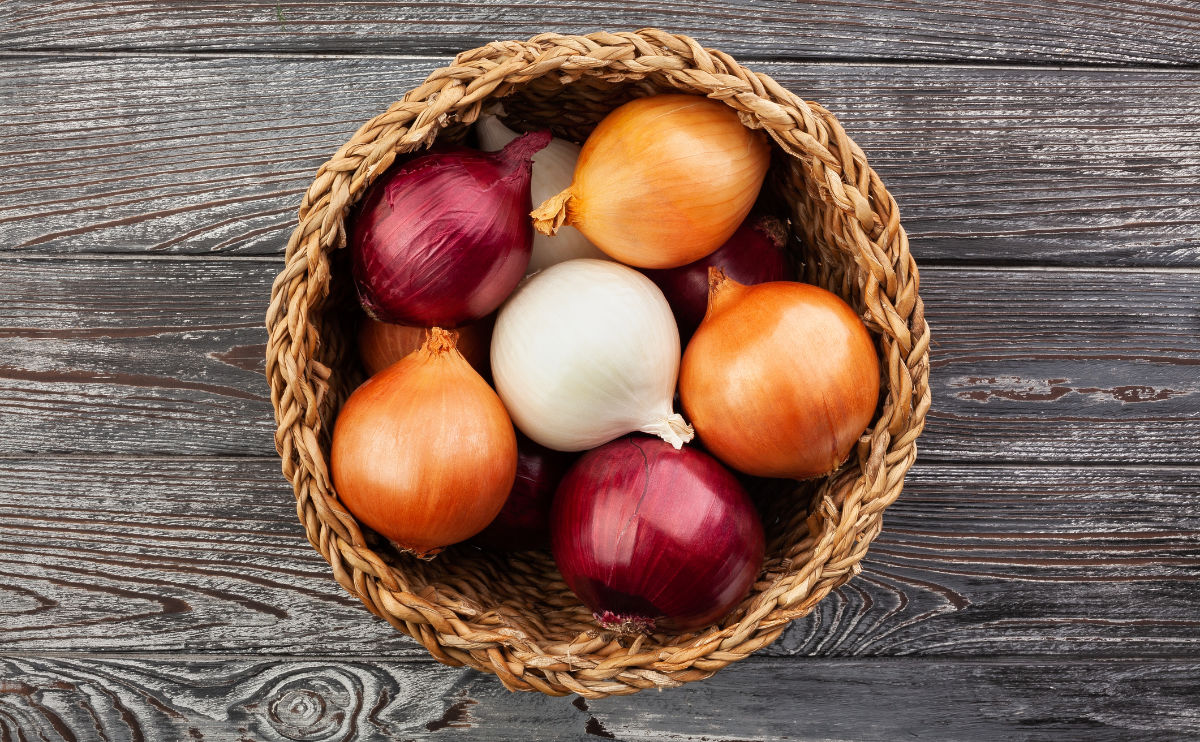
Onions are from the same allium family as garlic, leeks and shallots and are a key ingredient for most cuisines worldwide.
There are many different types, but the most used types are brown/yellow red, and white. They do have different nutritional profiles, and red onions are probably the most nutritionally useful. What makes red onions different is that the red pigment is rich in anthocyanins, which are important antioxidants. Red onions have about three times the level in standard brown/yellow onions, and 40x the level in white onions.
Like brown/yellow onions, red onions are also rich in another very useful antioxidant called quercetin. This is helpful in supporting acute and chronic lung inflammation as well as dampening down allergic response. All onions also contain helpful levels of Manganese, Vitamin B6 and Vitamin C.
Onions also contain fructooligosaccharides (FOS), a prebiotic food that feeds the healthy bacteria in the lower gut. This forms short-chain fatty acids (SCFAs), including butyrate, which plays a role reducing overall inflammation, and reducing a risk of colon cancer.
Regular onion eating is thought to have bone strengthening properties and can help you with building bone density around the menopausal age.
Onions are hugely versatile in your kitchen. You can use them as the savoury backbone of your soups, stews and pasta sauces. They become deliciously sweet when you roast them – try letting them slowly caramelise with a splash of balsamic vinegar.
Red onions are delicious raw in a salad or sandwich and, for something quick and joyful, slice them thinly and pickle them in vinegar and honey – so you will always have a jar of bright pink onions ready to scatter over your meals.
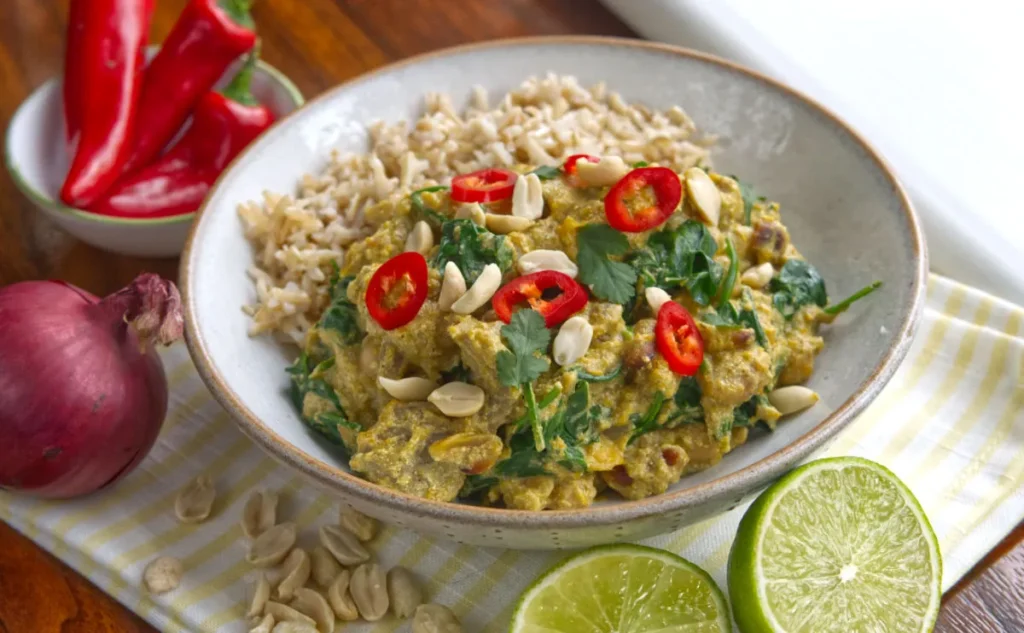
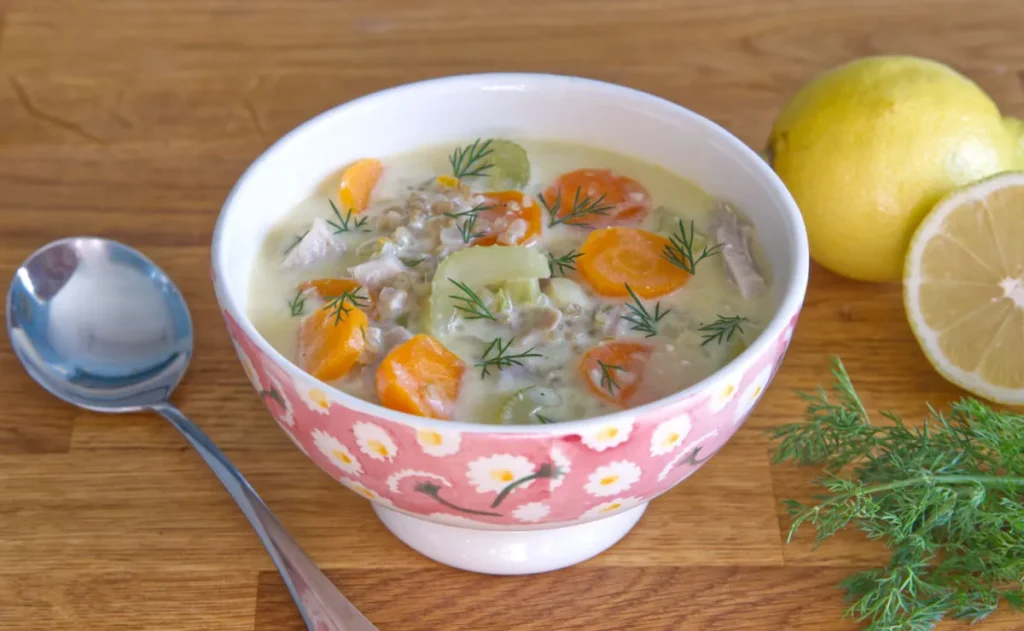
Some recipes with onions…