
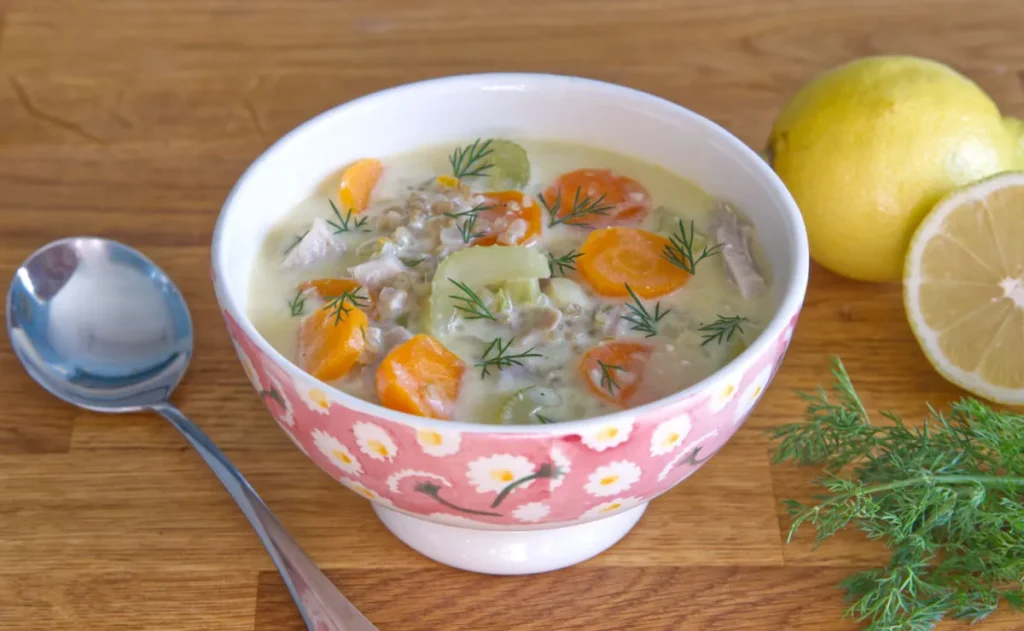
Ingredient: Celery
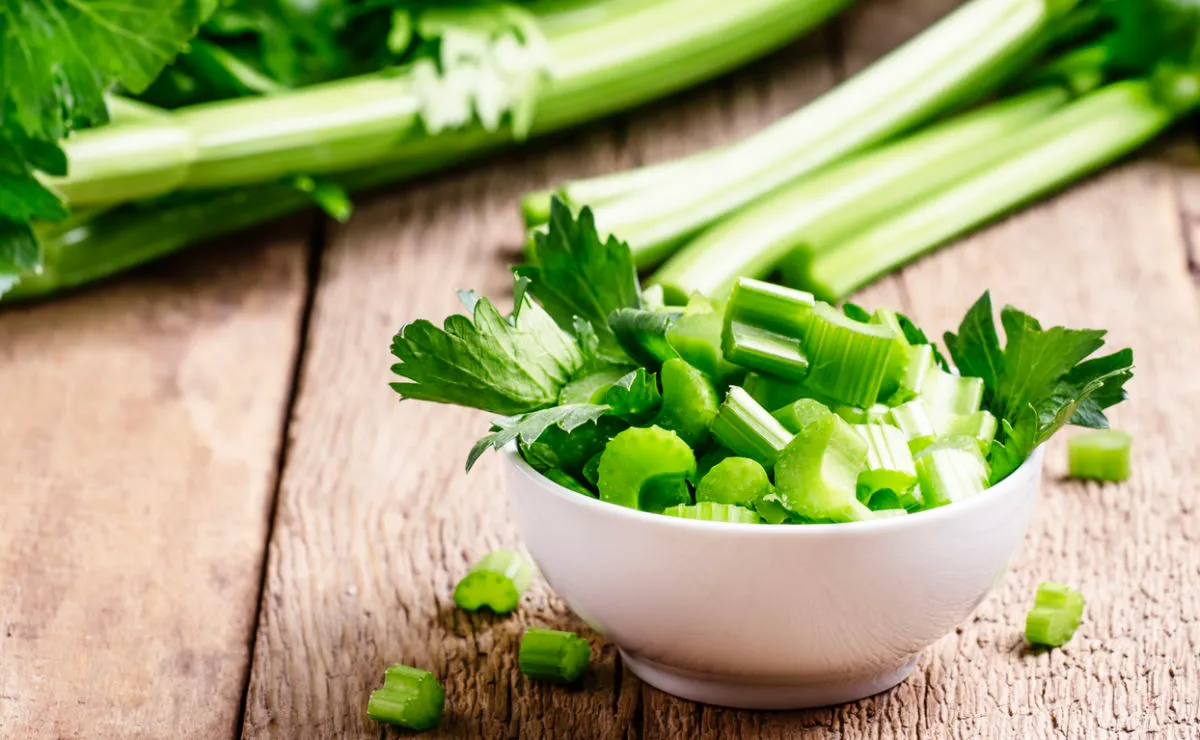
My kids and I love celery, but my husband’s views on it are unprintable! It’s hard to imagine, but it was once seen as a status symbol in Victorian times, and dinner party hosts would display celery in elaborate cut-glass vases.
The Greeks and Romans used it as a diuretic against water retention and kidney health, as well as to alleviate conditions such as gout, rheumatism, arthritis and toothaches. They also used celery to help digestion and to relieve bloating and indigestion. And unlike many traditional remedies, there is some science behind all this.
In the kitchen, celery is an essential vegetable for recipes like French mirepoix and Italian cooking bases. Without it, your soups and stews would feel like they’re missing something you can’t quite put your finger on. And of course, a small stick of celery is perfect as a Bloody Mary garnish!
Celery is very hydrating, and it doesn’t contain many calories (rumour has it that you burn more calories eating it than it contains!). It is rich in Vitamin K, fibre, potassium, folate, Vitamin A and antioxidants, so it is well worth including.
One tip: don’t chuck out the leaves. They’re even more nutritious than the stalks, and taste lovely in salads or scattered over finished dishes. And if you want celery to last for ages and not go limp, stand it upright in a jar of water in the fridge.
Recipes with Celery…


