Ingredient: Spelt Flour
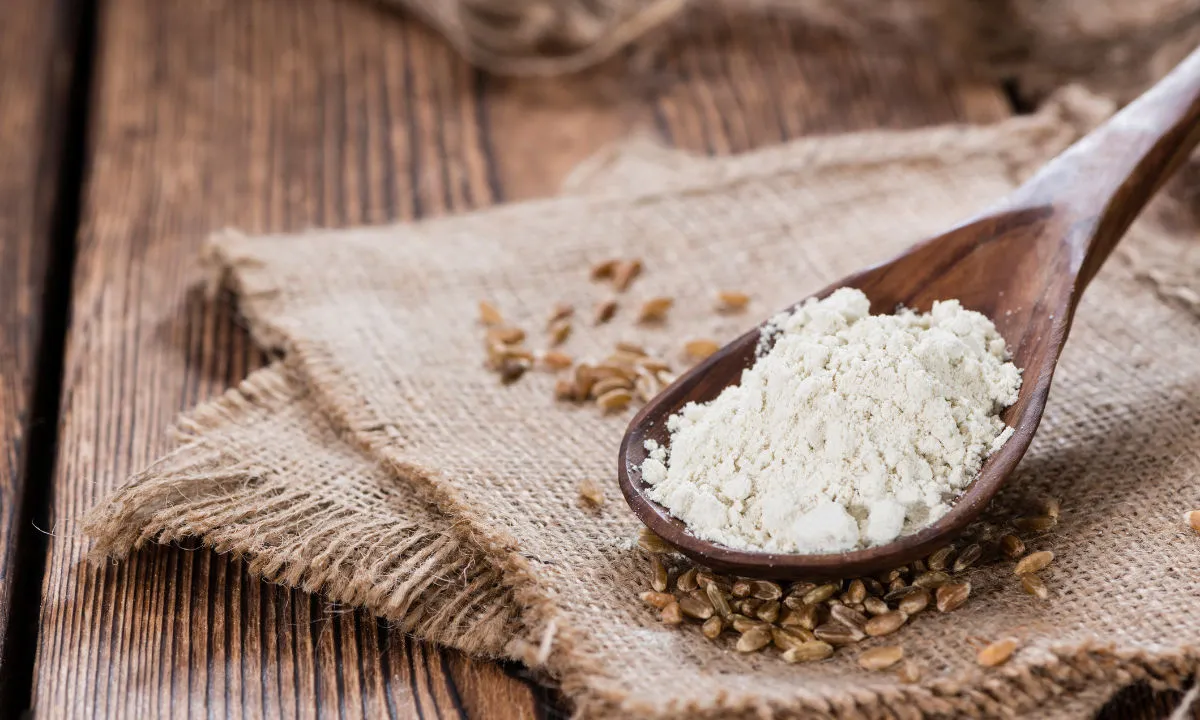
Spelt sounds exotic, but it’s a classic ancient grain, grown for around 8,000 years. It was a dietary staple long before modern wheat arrived. Families across Europe baked with it daily, until it was nudged aside, because modern wheat was quicker and easier to grow. Fast-forward to today and spelt is turning up in more our kitchens again. It’s still a form of wheat (so not suitable for coeliacs and the gluten-free crowd), but many people with mild wheat sensitivities find it gentler on their digestion.
Shop-bought spelt loaves usually do not use dough conditioners and preservatives, so do seek out spelt bread if you are looking to eat less ultra-processed ingredients. New legislation in the UK means that by the end of 2026 all white flour will need to be fortified with synthetic folic acid, while spelt flour and wholemeal flour is currently exempt. For families looking to avoid synthetic folic acid, including those aware of their own MTHFR gene variations, this offers another option when you choose which flour and baked products to buy.
Spelt flour is more nutritious than white flour with a higher protein content (approx. 14-15%), more fibre and higher levels of iron, magnesium and zinc. It also has a lower glycemic index, so it is better for your blood sugar balance.
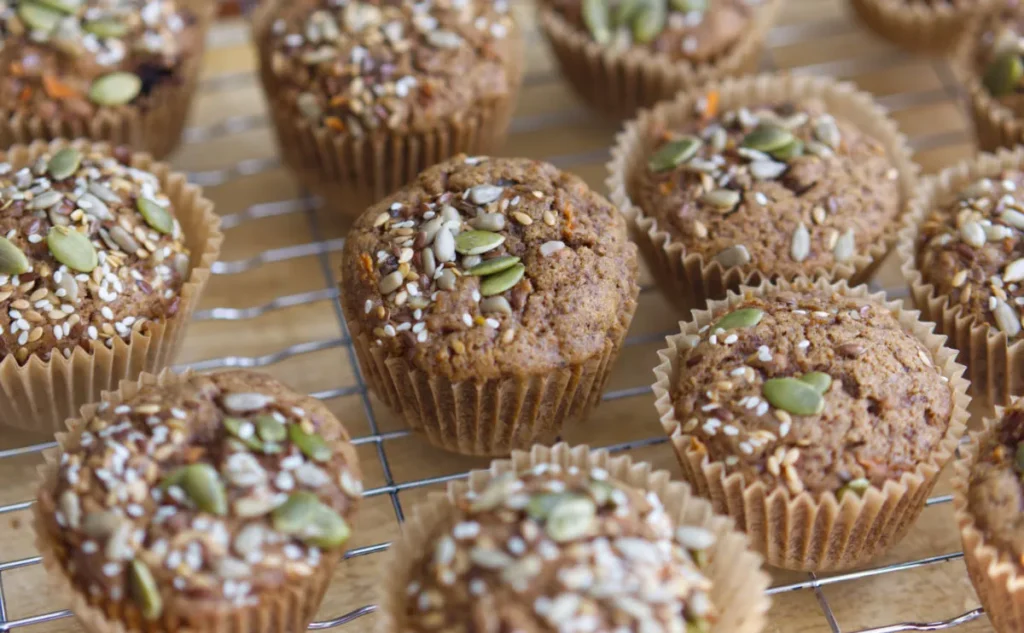
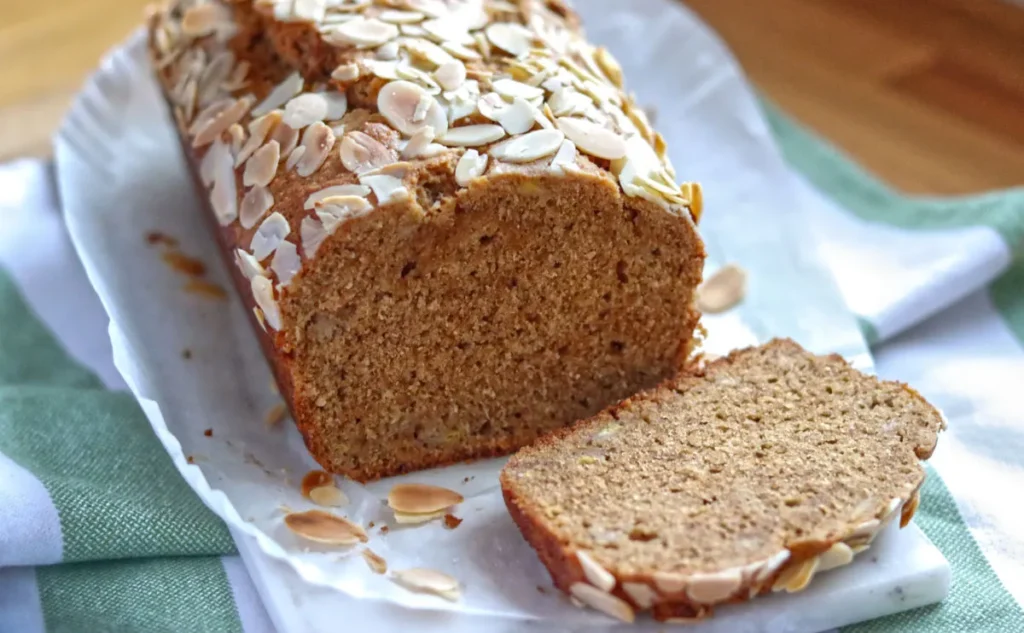
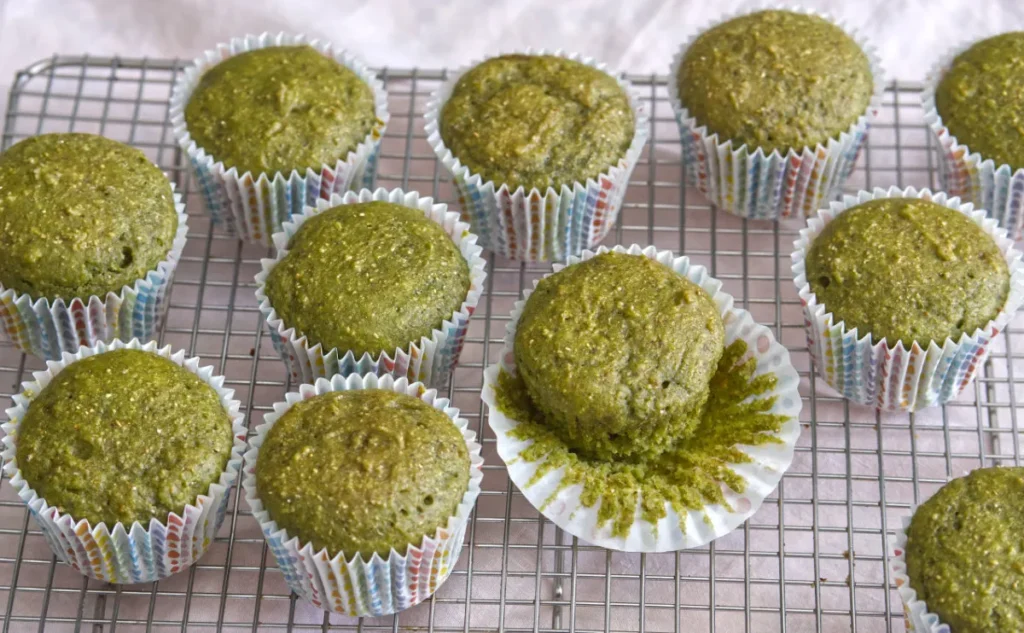
On a very practical level, spelt flour is easy to cook with as it has a soft and almost nutty flavour that works beautifully in everyday bakes. We use it often in everything from cakes to crumbles to cookies and it often needs a little less liquid than standard flour which might be helpful for you to know!
Recipes with Spelt Flour…