
Hormone havoc! Feed your daughter through the tween-age years

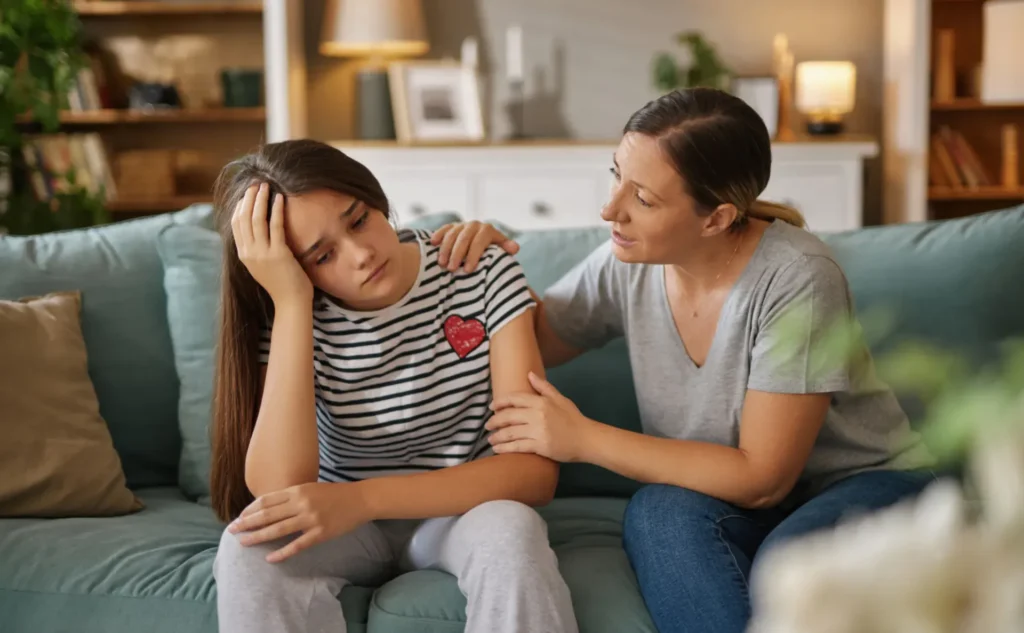
If your happy and upbeat girl has started dissolving into tears over the little things, snapping at you out of the blue and disappearing into her room, you may well be watching puberty begin.
These big emotions might hit you off guard as your daughter might not have even started her first period yet. So many of us often dismiss these tears and emotional outbursts as a phase or tricky few days, however hormones start stirring well before her first bleed. Sometimes this is two years before it starts and for lots of girls the emotional changes show up first.
During the tween and teen years your daughter’s brain is rewiring and her hormones are waking up and maturing as she develops into a woman. This is the time when she is feeling all her emotions at full volume, which is totally exhausting for her, just as much as it is for you. So if daily life feels fractious in your house right now please be reassured that nothing has gone wrong with your parenting and that there are things you can do to ease the hormonal rollercoaster.
In this blog I break down why these big emotions escalate, and how we can support our little women through it, emotionally and nutritionally, with the foods and nutrients that help balance out those big feelings.
A NatureDoc client shares how the onset of periods looked different for her daughters:
Despite their age gap, my two tween daughters had their first period around the same time.
My eldest was 13 and so she had been expecting hers to start anyway like so many of her friends. However, my younger daughter was only 11 when things started much more unexpectedly. It was just as she was starting at her senior school, where she was navigating new friendships and new routines and all the worries that came with that. It was a lot to deal with even before the hormones joined the party.
Over the previous year, we had talked about changes in body odour, spots and how her energy levels could vary. We had talked about pads and period pants and what to keep in their school bags, but I hadn’t really thought about preparing my daughters for the feelings associated with these changes too.
I think I had assumed that because we had been so open about everything, we were more prepared than we really were. “I need to cry, but I don’t know why,” my eldest said one day. I immediately wanted to know what was wrong. School? Friends? “Nothing’s wrong. I just need to cry. Please hug me.” So, I did, and she fell asleep in my arms like she used to when she was little.
My younger daughter found it much harder though. The emotions were as foreign to her as they were to us, and the mood swings were huge, and we were walking on eggshells around her. Even something little like seeing a couple of old friends in town brought her to tears, red in the face and unable to stop them spilling out. I couldn’t work out what had happened, so I took her home for hugs and hot chocolate.’
What can we as parents do to help?
Not every wobble at this age of life is linked to hormones, and the waves of emotional changes can seem irregular and quite random. If she finds it helpful, I suggest you keep a simple diary of her mood, sleep and physical symptoms and this can easily reveal patterns over a few months.
It can also be useful to remind her that there are positive days when she is on top form, and it is just her hormones that are causing the havoc when she feels grumpy, anxious or angry. When she understands these new hormonal patterns, it will help her to plan ahead and feel much more in control of her big feelings.
When you are being shouted at or trying to negotiate something as ordinary as eating supper or getting to school on time, it can be upsetting, exhausting and hard to be patient, particularly when you don’t know what is going to help.
Her changing hormones don’t make any hurtful behaviours or words acceptable, but when you take a deep breath and stay calm this gives her time and space to process things, so they don’t happen again.
“Do you want to be helped, heard, or hugged?” is a good thing to ask her in the heat of the moment and a way to navigate things. Asking what she needs, rather than trying to explain everything or find a solution for her can really help to ease the tension between the two of you.
- Avoid blaming her moods just on ‘hormones’ in the moment, as this can make a heated situation worse. Save that conversation for a calmer moment.
- Choose a couple of easy breakfasts and after-school snacks together. Ensure that there is always something at the ready in the fridge, so she can enjoy it when she needs it.
- Help her to create a calming wind down routine in the evenings such as an Epsom salt bath with essential oils listening to an audio book or gentle music.
- Offer her a hug before an explanation.
- Go for a walk together, to talk about it. Walking side by side is much easier to be open about emotions.
- Later on reflect on the words that felt hurtful together, so you can find a more neutral way to express yourselves.
- Ask younger girls for a daily ‘weather report’ to check in how they are feeling (are they feeling sunny, cloudy, stormy?). This is a way of them being able to quickly express how they are feeling without putting too much pressure on them.
Which foods can help calm the hormonal storm?
You will find that small and steady changes to her food will support her body and mood much better than one single food can, and these are eating habits she will carry with her and remember as she becomes more independent.
Food that makes your daughter happy is important too. There is a reason why familiar food can feel especially soothing before your period and we tend to seek out comfort food. A girl’s changing hormones interact with her brain chemicals such as serotonin, which helps regulate her mood. And then there is dopamine, which helps with her feelings of pleasure and reward. These changes in your daughter’s neurotransmitters may be one of the reasons for the shifts in her mood, appetite and cravings.
When she feels tired, tearful or out of sorts, a little of what she fancies can offer some comfort, whether that’s warm toast, her favourite supper or even some squares of chocolate. There’s always room for enjoyment, as well as nourishment when her emotions are running high.
Before focusing on specific nutrients for your daughter, it is worth checking whether she is eating enough food over the day for this busy stage of growth and body changes. Is she rushing out of the door in the morning forgetting to have some breakfast? Is she managing to eat lunch at school, or going for long stretches during the day without eating?
Keeping her blood sugar steady is also vital for preventing those awful ‘hangry’ episodes that can really knock her mood. If your teen or tween is running on a slice of white toast in the morning, sweets with friends at school and snacks on the way home, their energy will be spiking and crashing throughout the day.
Ensuring she starts the day with some healthy fats and protein like Greek yoghurt with nuts and berries, or eggs and avocado on toast, can help to keep their energy steadier throughout the day and avoid the moody crashes. Ask her teachers if she is eating lunch and ensure the fridge is full when she gets back from school. Prioritising eating regular meals and snacks is a useful starting point as so often at this age they skip meals or graze on snacks throughout the day.
Here are some specific nutrients that can help with the hormone havoc:
Magnesium: Ensuring she has enough magnesium in her diet will help to support her nervous system, sleep and mood.
Magnesium rich foods include pumpkin seeds, porridge oats, flaxseeds, dark chocolate, green leafy vegetables and nuts and you can top up with a magnesium supplement.
Omega-3 fats: Omega-3 is a particularly important nutrient to focus in on when a girl is going through big hormonal changes and is irritable and anxious. It is helpful for their skin too, as this is a time when they become very self-conscious about pimples.
Oily fish are a great source of omega-3 fats, and you are aiming to include 2 portions of oily fish in your weekly menu, like salmon, mackerel or sardines. If she doesn’t eat fish, look out for a good quality omega 3 supplement, which can be either from fish oil or a vegan marine-algae.
Iron: If you menstruate, you will probably be aware that you lose quite a bit of iron when you bleed. This is the same for your daughter and she needs around 14.8mg of iron daily. Since a portion of spaghetti bolognaise gives around 3-4mg, it is very hard to stop iron levels dropping during this time. Educating her on how to keep her iron levels nice and buoyant is very important.
Research is emerging that the big growth spurt in the year running up to a girl’s first period starts can deplete her iron levels. Therefore, her ferritin levels (her iron bank account) can often fall during this time, especially if she does not eat many iron rich foods. And again, once her periods start, her daily iron needs from her diet rise even more.
So, it is important to think about feeding her lots of iron rich foods whilst she is showing the first signs of puberty, and not to just assume you can wait until she gets her period.
Signs of low iron can include pale skin and dark circles under the eyes, and she may complain of feeling tired. She may also seem more solemn and withdrawn.
Iron rich foods include red meat, liver, chicken thighs, beans and pulses, dark leafy green vegetables and eggs. If you know or suspect her iron intake is low, then you may also need to turn to an iron supplement.
Zinc: The need for zinc is elevated during the tween and teen years as it is a vital nutrient for helping a girl mature into a woman. Your daughter needs enough zinc to help build all her female hormones and to help her grow properly. Zinc is very important for her to reach a healthy height.
When zinc is running lower than it should you can see big mood swings and pimply skin. Another sign of low zinc is a narrowing of her diet choices, and she might become increasingly particular with what she will and won’t eat as it can affect sense of smell and taste as well as texture perception.
Zinc rich foods include seafood, fish, meat and pumpkin seeds and you can top up with a supplement if she is not a fan of these foods.
Fibre and fermented foods: Your daughter’s body has clever systems to clear excess hormones via her liver and gut and certain foods will help to prevent the stormy hormone surges.
Foods to support gut health and digestion include cruciferous vegetables like broccoli, cabbage, rocket, Brussels sprouts and cauliflower, as well as flaxseeds and fermented foods like kefir, sauerkraut and yoghurt.
Herbs and spices: There are several herbs and spices that can ease the ups and downs of adolescence in girls. Saffron which can be added to paella, tagines, curries and Persian dishes, can help to support mood and hormonal related emotional shifts. Try adding it into recipes or consider a saffron supplement.
Rosemary: is known to help to lift the mood and help to calm big emotions. So, add plenty to your cooking such as with lamb, chicken or in stews.
Lemon balm and chamomile: also help to promote more GABA which is our messenger in the brain that makes us feel safe and calm. I suggest offering her a comforting warm mug of herbal tea with a drizzle of honey when emotions are heightened to settle her.
Your ‘little women’ hormone Q&A
Here are some of the main questions parents ask us most often at NatureDoc surrounding adolescent girl hormones and what you can actively do to navigate things.
What if she can’t face breakfast?
Many tweens and teens need to be on a school bus very early in the morning and so breakfast before they get on the bus is not practical. Others simply feel sick or not hungry that early in the morning.
I suggest that you make something lighter like a smoothie with yoghurt, berries, flaxseeds and oats, a pot of overnight oats, or a homemade snack ball and a handful of nuts for the journey to school. Also pop these in a snack box for them to eat during their morning break.
What if she doesn’t eat lunch?
Ask her, “Is there anything that would make eating at school easier for you?” Pick one thing to try such as taking snacks into school or finding a quieter place in the lunch hall to eat her lunch or planning which friend to sit with. Then check back with her about what helped her navigate things better.
Many young girls taking ADHD medication are not at all hungry whilst their medication is active, so this is where you might need to feed her two meals in the evening. One when she gets home from school and then one with the rest of the family later on.
What if she comes home feeling tired and upset?
When you pick her up from school or when she gets home, have a snack ready for her before trying to engage in a conversation about her school day. She might need a bit of down time, in the garden or with your family pet so she can decompress.
Think something simple like nut butter and apple or hummus and veggie sticks. If she is really hungry, she may need something more substantial, such as a sandwich or yoghurt with oats and fruit. This is a good time to give a saffron supplement if she is very dysregulated.
How can I include these foods without supper becoming a battle?
During this time, girls can become increasingly independent and become very particular about what they will and won’t eat.
A way around this is to give them a bit more autonomy so they feel they have a choice.
Putting the food into serving bowls on the table and let her help herself to what she fancies is a positive first step. Keep leftovers on the table after supper, as they often like to pick afterwards. Not every single meal needs to be a perfect plate by any means, but do try to offer a balanced selection across the week.
When should we ask for more help?
As a parent, it can be hard to know what is normal during the tween and teen years, especially when you’re being told it’s all hormones. Book an appointment with your GP if your daughter:
- Has low mood or anxiety that is ongoing
- Loses interest in things she would normally enjoy or has changes in her eating habits
- Is struggling to attend school
- Has signs of puberty before age 8
- Experiences period pain that stops her from going to school
- Bleeds for longer than 7 days, passes clots larger than a 10p piece or needs to change her pad or tampon every one to two hours
- Experiences persistent tiredness that doesn’t shift with enough sleep
If your daughter talks about harming herself or not wanting to be here, please seek same day medical help from your GP, call NHS 111, or call 999 in an emergency.
Round up
As a parent, all you want to do is hold your daughter close and protect them when they are feeling hormonal and don’t understand those unfamiliar feelings. Even when they are screaming that they hate us it is important to be patient and calm!
Taking small steps to understand her, offering nourishing food and being there for a hug when she wants one can all help. A whole host of emotional ups and downs are common during pre-puberty and puberty, and you won’t always get it right. That’s totally ok and it really doesn’t mean you’re letting your daughter down. Learning to be a calm constant for her throughout the rollercoaster of emotions is exactly what she needs.
If you can see your little woman is really struggling with these big life changes, then our fabulous team of nutritional therapists who specialise in teen hormones would love to help her. We can work with you and her and run some nutrient panels, and also advise on the specific supplements that can calm her throughout the tween and teen rollercoaster of emotions.
Ask me what supplements can help… make a booking, or anything else!
References
- Disorders of Puberty in Girls
- Oestrogen and pregnanediol excretion through childhood, menarche and first ovulation
- Onset of ovulation after menarche in girls: a longitudinal study
- The adolescent brain
- The Storm and Stress of Adolescence: Insights from Human Imaging and Mouse Genetics
- Development of the emotional brain
- Puberty Initiates Cascading Relationships Between Neurodevelopmental, Social, and Internalizing Processes Across Adolescence
- The effects of estradiol on mood and behavior in human female adolescents: a systematic review
- Premenstrual syndrome and premenstrual dysphoric disorder in adolescents
- Adolescence as a pivotal period for emotion regulation development
- Parental self-regulation and engagement in emotion socialization: A systematic review
- The relationship between sleep duration and mood in adolescents: a systematic review and meta-analysis
- Glycaemic index and glycaemic load of breakfast predict cognitive function and mood in school children: a randomised controlled trial
- Low dietary intake of magnesium is associated with increased externalizing behaviours in adolescents
- Modulation of Metabolic Detoxification Pathways Using Foods and Food-Derived Components: A Scientific Review with Clinical Application
- Is it time to offer routine screening for iron deficiency in healthy adolescent females?
- Iron deficiency in adolescent girls
- Iron Requirements in Adolescent Females
- Association of Iron Depletion with Menstruation and Dietary Intake Indices in Pubertal Girls: The Healthy Growth Study
- Iron status, menarche, and calcium supplementation in adolescent girls
- The cost of successful adolescent growth and development In girls in relation to iron and vitamin A status
- Exploring the effect of menstrual loss and dietary habits on iron deficiency in teenagers: A cross-sectional study
- NHS: Fish and shellfish
- Efficacy and safety of omega-3 fatty acids supplementation for anxiety symptoms: a systematic review and dose-response meta-analysis of randomized controlled trials
- Public Health England: Government Dietary Recommendations
- Magnesium Bisglycinate: Supplementation in Healthy Adults Reporting Poor Sleep: A Randomized, Placebo-Controlled Trial
- An Examination into the Effects of a Saffron Extract (Affron) on Mood and General Wellbeing in Adults Experiencing Low Mood: A Randomized, Double-Blind, Placebo-Controlled Trial
- Diagnosis and management of heavy menstrual bleeding and bleeding disorders in adolescents
- Diagnosis and management of precocious sexual maturation: an updated review
- Effect of saffron on premenstrual syndrome and dysmenorrhea: a systematic review and meta-analysis
- Safety and stress-reducing effects of rosemary extract: an open-label trial and randomized double-blind crossover study
- Clinical Efficacy and Tolerability of Lemon Balm (Melissa officinalis L.) in Psychological Well-Being: A Review
- Zinc supplementation enhances linear growth in school-aged children: A randomized controlled trial
- Efficacy of Normalising Serum Zinc Level for Patients with Olfactory Dysfunction and Zinc Deficiency
- affron, a standardised extract from saffron (Crocus sativus L.) for the treatment of youth anxiety and depressive symptoms: a randomised, double-blind, placebo-controlled study
Responses