
Could plastics be affecting your fertility? Here’s what you can do about it

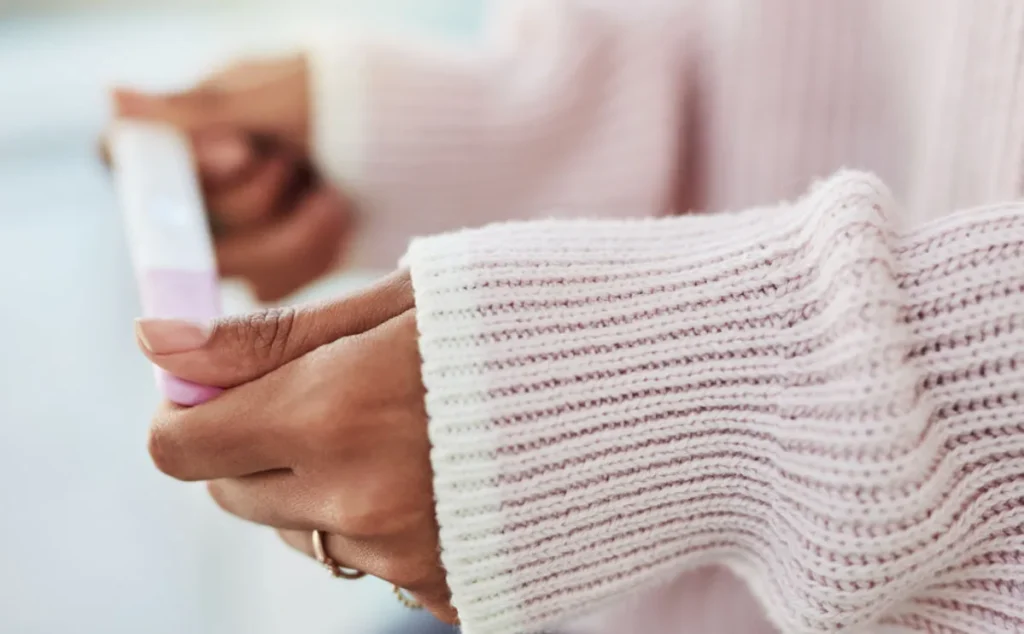
If you and your partner have been trying for a baby for far longer than you ever imagined, and no one can give you a clear reason why, then you might want to think about the amount of water you slurp out of plastic bottles, the microplastics in your active wear and plasticisers found in your skin care products. A growing body of research now points to plastics as one of the factors that may be contributing to the rise in fertility problems.
This conversation has moved from research papers into our homes thanks to the recent Netflix documentary The Plastic Detox, which follows six couples with unexplained infertility as they strip plastic chemicals out of their homes for three months. It is guided by Dr Shanna Swan, the reproductive epidemiologist whose work on falling sperm counts has made headlines for years. The film is very emotive, and it raises a question many of the couples we see with hormone imbalances and fertility challenges are already asking.
Get our lovely Healthy Bites newsletter!
Each week, you’ll get an amazing recipe, a useful health tip, and an ingredient to jazz up your shopping basket!
The Plastic Detox in a nutshell
The documentary followed six couples, all struggling with unexplained infertility, who spent three months swapping plastic household and personal products for safer ones, eating out less, and reducing their plastic exposure overall. The researchers measured plastic chemicals in their urine at the start of the study, which were found to be startlingly high, and then at the end they were low or negligible. They also tested the men’s sperm count and quality before and after these changes.
The results after three months were very encouraging, as everyone’s levels of bisphenol A (BPA) and phthalates fell during this period, and three of the six men moved from a “subfertile” sperm count to a count above the healthy threshold. And even more exciting (spoiler alert!), four out of the six couples fell pregnant and went on to have healthy babies.
Fertility data
A major analysis tracking sperm counts across nearly 50 years found that average sperm concentration in men fell by just over half between 1973 and 2018, with the decline appearing to speed up after the year 2000, and enough independent data has accumulated that leading scientists now treat declining male reproductive health as a serious public health issue.
Egg quality is harder to measure, unfortunately, so the female side of this story is less complete in understanding the effects of plastics. However, it is thought that these same hormone-disrupting chemicals turn up in the follicular fluid surrounding human eggs, and they could well be interfering with egg quality and may hamper how an egg matures.
The clearest understanding of these effects on women comes from fertility clinics, where researchers can watch each stage of the fertility process unfold. In the EARTH study at Harvard, women with higher levels of certain phthalates produced fewer eggs at the time of collection and had lower rates of clinical pregnancy and live births. Bisphenol A (BPA) tells a similar story, with higher levels linked to fewer eggs retrieved, poorer fertilisation and more failed embryo implantation. High levels of BPA also turn up more often in women living with conditions such as PCOS and endometriosis and those with a reduced egg reserve. Higher PFAS levels have also been tied to a lower monthly chance of pregnancy. Even though more research is needed surrounding the effects of plastic chemicals on women’s fertility, it is worth both cutting back on these exposures as a couple in the meantime.
How these chemicals get in the way
When it comes to fertility, the chemicals in plastics matter because so many of them are endocrine disruptors, meaning they meddle with your hormones. They work by imitation and their shape is close enough to your natural hormones that your body cannot always tell the difference. This can mean that they can slot into the same receptors and end up sending mixed messages, sometimes mimicking your own oestrogen and testosterone, sometimes blocking them. Reproduction runs on delicate hormone signals, so even small interference at the wrong moment can really matter.
There are four main families of endocrine-disrupting chemicals that you need to know about:
Bisphenols (BPA and its cousins)
Nowadays, BPA lines many of our food and drink tins (the white coating inside); it hardens some plastics in everyday items we use and even coats many of our shopping till receipts. These day-to-day exposures, however small, act like a weak oestrogen, and animal studies consistently show these things can lower sperm count, testosterone and fertilisation rates.
The catch with the “BPA-free” label is that manufacturers often swap in close relatives such as BPS and BPF instead. A systematic review found that these are structurally similar and likely to act in much the same way, so a ‘BPA-free’ item doesn’t necessarily mean significantly safer, and sadly swapping one bisphenol for another you’re not even told about is not always the win it appears to be. So choose stainless steel water bottles over BPA-free plastic options.
Phthalates
Phthalates soften plastics and help our household and personal care products keep their fragrance, so they turn up in vinyl flooring, cling film, air fresheners and scented personal-care products, including deodorants, perfumes and aftershave. In men, higher phthalate levels have been linked to lower sperm concentration and motility, reduced testosterone and more sperm DNA damage. A large research review also tied high exposure to early pregnancy loss and to subtle shifts in male reproductive development, such as a shorter anogenital distance, which is the gap between the anus and the genitals that can signal reduced fertility. Studies of couples going through IVF have connected phthalate levels with poorer treatment outcomes too.
That lingering fragrance in a perfume or aftershave, the part that keeps the scent on your skin all day, is usually held there by a phthalate called diethyl phthalate. When researchers screened 47 branded fragrances, they found phthalates in every single one, making your daily spritz one of the largest sources of these chemicals. This is one of the reasons why fertility clinics ask everyone to arrive without wearing perfume, aftershave and scented lotions, as the air in the embryology lab is kept as clean as possible for fragile embryos.
PFAS (“forever chemicals”)
These are forever chemicals as it is super hard for your body to eliminate them once you have been exposed. PFAS make things non-stick, waterproof and stain-resistant, and they linger in the body for years. Think waterproof anoraks, non-stick frying pans that have been scratched or overheated, stain-resistant carpets and sofas, as well as stain-guard sprays.
This is the group with some of the clearest human fertility data and in a study of women trying to conceive, higher PFAS levels were linked to a 5 to 10 percent drop in the monthly chance of pregnancy per step up in exposure, and as a mixture, 30 to 40 percent lower odds of achieving a pregnancy and live birth over a year.
High PFAS exposure has also been linked to endometriosis and Polycystic Ovary Syndrome (PCOS), which are conditions that often go alongside fertility struggles. PCOS is a condition that is now increasingly being referred to as Polyendocrine Metabolic Syndrome (PMOS) to reflect that it is a complex hormonal and metabolic disorder affecting the whole body, and not just the ovaries.
Microplastics
The newest, and in some ways most staggering, piece of this story is that the plastic particles themselves are now turning up inside our reproductive organs. They are the tiny fragments shed when we unscrew a plastic bottle top, chop dinner on a plastic board, sip from a takeaway cup or brew a bag of tea, those ordinary and everyday habits we don’t take a moment to think about. They are also shed from clothes we wear that contain polyester, nylon, elastane, and acrylic, as these fibres break down into tiny plastic fibres, called microfibres.
In 2025, researchers examining couples at a fertility clinic reported microplastics in roughly two-thirds of the follicular fluid samples they tested, the fluid that cradles and nourishes each developing egg, and in just over half of the semen samples. So do your best to avoid drinks with plastic bottle tops, switch to a wooden chopping board, invest in your own portable cup, seek out plastic-free tea bags, and choose clothes containing natural fibres where possible.
Why this matters for fertility overall
Plastic exposure and the trouble it can cause, applies across every route to parenthood and here are some examples:
Unexplained fertility – this is the group that the Netflix documentary followed and “unexplained” simply means standard tests have not found any obvious cause, and that the environmental load is one of the under-investigated factors that could be sitting in that gap. Lowering these environmental exposures is a sensible thing to explore while you keep working with your fertility team.
IVF, ICSI or IUI – the EARTH study which followed couples at a fertility clinic, found that everyday chemical exposures were associated with egg quality, fertilisation and the chance of a successful cycle. Reducing your load in the months before fertility treatment is a low-cost way to give a cycle the best possible chance. And remember these steps complement your fertility treatment and it does not replace it.
Same sex couples: the principle is the same for you too. For two women using IUI, reciprocal IVF or shared motherhood, both the partner providing the eggs and the partner carrying the pregnancy have environmental exposures worth lowering. For two men working with an egg donor and a surrogate, the partner providing sperm needs to think about plastic exposure the most. And the partner who is not biologically contributing can absolutely do the detox alongside and will help their overall health too.
The thread running through all of this blog is that reducing your plastic exposure is something you as a couple can do together, regardless of who is providing the egg, the sperm, or carries the baby.
What you can do in the next three months
Why think ahead three months? This is because it takes roughly 100 days for an egg and for sperm to mature before they are ready to make a baby. That maturation window is your opportunity for you to make the switches at home (and in your workplace if possible), and it happens to match the timescale used in the documentary.
The good news is that your body clears many of these chemicals fairly quickly once you turn off the tap of these daily exposures. BPA and phthalates can begin to leave the body within days, but PFAS take far longer, which is why cutting down on any new exposure to PFAS early on really counts.
Here’s how to start and the swaps that remove the most of these environmental chemicals, for the least effort.
In the kitchen
- Switch plastic food containers for glass or stainless steel, and never microwave or pour anything hot into plastic, as heat dramatically increases leaching.
- Replace scratched non-stick pans with stainless steel or cast-iron pans to reduce PFAS exposure.
- Choose fresh or frozen food over tinned where you can (and find brands like Mr Organic who make plastic-free linings for their tinned food).
Food and drink
- Filter your tap water with a high-quality water filter; this is one of the most effective ways to lower PFAS exposure.
- Cook from scratch more often and eat takeaways much less; the junk food packaging is one of the greatest sources, think pizza wrapped in plastic, sitting on a polystyrene disc…
Around the home
- Vacuum your house with a HEPA filter and dust it well with a damp cloth. Phthalates, flame retardants and PFAS all settle into household dust, and so house dust is a surprisingly large source.
- Choose natural fibres such as cotton, linen and wool for bedding and clothing instead of polyester, which sheds microplastics.
Personal care and cleaning
- Avoid synthetic fragrances wherever you can, which can be in fragrances, air fresheners, scented candles, laundry products and cosmetics. The word “parfum” on the label usually indicates the presence of phthalates.
- Avoid touching till receipts, which are coated with bisphenols that can be absorbed directly through the skin. If the receipt is important, ask them to email it to you.
Support your body’s own clearance
The good news is that your body is not a passive sponge and you do have a capable natural ‘detox’ system from four of your key organs, your liver, kidneys, gut and skin.
Sweating through exercise and saunas has been found to help us excrete BPA and phthalates. However, the skin does not excrete PFAS, and there is there not enough evidence either way for microplastics.
Brassicas deserve a place on your plate to help your liver clear these toxins. Broccoli, cauliflower, cabbage, rocket, Brussels sprouts and kale are rich in a compound your body turns into sulforaphane, which switches on the liver’s own detox enzymes. Broccoli sprouts, the richest source of sulforaphane, grow happily on a windowsill and you can sprinkle these little sprouts on salads, eggs and hummus.
Remember to drink plenty of filtered water to help your kidneys flush out the toxins that the liver has broken down. I also suggest investing in a high-quality water filter that removes environmental chemicals, including PFAS and other plastic chemicals from your water in the first place.
Fibre is a key workhorse for clearing the toxins from our gut. It binds to bile in the gut and carries it out rather than letting it be reabsorbed, and PFAS travel on that same bile. In a study of more than 6,000 adults, those eating more fibre had lower blood levels of several PFAS. Build in oats, beans and lentils, ground flaxseed and chia seeds and eat plenty of vegetables. Aim to consume something fibrous at every meal and avoid constipation or incomplete evacuation where possible.
Berries, cherries and brightly coloured vegetables are really important to eat and they are full of polyphenols that help calm the oxidative stress or cell damage that these chemicals create. Oxidative stress is one of the ways these plastic chemicals mess with eggs and sperm.
You do not need to make all of these changes overnight, and you certainly should not lie awake in a panic at 2am because you ate out of a single plastic takeaway tub. It is vital to stick to the easy wins first and then build daily habits in from there.
Knowing your starting point
It is hard to manage an invisible environmental toxic load, and for couples who want to remove the guesswork about what changes they need to make and have a focused plan, it is good to test rather than guess. When you work with our NatureDoc clinical team on your fertility journey, we can offer the Vibrant Wellness Toxin Zoomer. This is an at-home urine test that measures your levels of BPA, phthalates, parabens, pesticides and 21 different PFAS, alongside heavy metal build-up and exposure to mould toxins.
Running this test turns uncertainty into a clear before-and-after picture, shows you which exposures to prioritise, and leaves you feeling informed and able to take specific action from the results.
Round up
Reducing your plastic chemical exposure is low-risk, good for your wider health, and one of the few parts of a fertility journey that lies in your own hands which you can take positive action straight away having read this blog. I suggest that you start with the kitchen swaps, filter your water, ditch any synthetic fragrances, and give these changes a proper three-month run in the lead-up to trying for a baby or starting your fertility treatment cycle. And doing it together as a couple can be a positive step toward improving your chances of fertility.
If you would like to know your toxic load starting point and build a tailored plan around it, get in touch with our NatureDoc clinical team to arrange the Toxin Zoomer test. We can then work with you to create a personalised preconception health plan.
For more information on laying the fertility groundwork and what we look for when a couple are struggling with their fertility, read my guides on nourishment for optimal fertility and preconception; folic acid: friend or foe?, how to live with fewer microplastics and how to clear microplastics and BPA from your body safely.
References
- Targeting Plastic Exposure in Infertile Couples: A Pilot Intervention Study
- Shanna H Swan: environmental exposure to chemicals and their consequences for human fertility
- Impacts of environmental stressors on fertility and fecundity across taxa, with implications for planetary health
- Temporal trends in sperm count: a systematic review and meta-regression analysis of samples collected globally in the 20th and 21st centuries
- O-280 Unveiling the hidden danger: detection and characterisation of microplastics in human follicular and seminal fluids
- Microplastics: A Threat for Male Fertility
- Microplastics and human fertility: A comprehensive review of their presence in human samples and reproductive implication
- Impact of polystyrene microplastic exposure at low doses on male fertility: an experimental study in rats
- Association of mixed exposure to microplastics with sperm dysfunction: a multi-site study in China
- Impact of Microplastics on Male Fertility and Sperm Quality
- Characterization of microplastics in human follicular fluid and their impact on mouse oocyte maturation in vitro
- Exposure to perfluoroalkyl substances and women’s fertility outcomes in a Singaporean preconception cohort
- Urinary Phthalate Metabolite Concentrations and Reproductive Outcomes among Women Undergoing IVF: the EARTH Study
- Cross-sectional study on exposure to BPA and phthalates and semen parameters in men attending a fertility centre
- Bisphenol S and F: a systematic review and comparison of the hormonal activity of bisphenol A substitutes
- An Umbrella Review of Meta-Analyses Evaluating Associations between Human Health and Exposure to Major Classes of Plastic-Associated Chemicals
- Worldwide risk assessment of phthalates and bisphenol A in humans: the need for updating guidelines
- Toxicological and Health Aspects of Bisphenol A: WHO/FAO Joint Expert Meeting
- Screening of phthalate esters in 47 branded perfumes
- How Air Quality Effects In Vitro Fertilization Process
- Air quality in the clinical embryology laboratory: a mini-review
- Phthalate Esters in Different Types of Cosmetic Products: A Five-Year Quality Control Survey
- The extent and predictors of phthalate exposure among couples undergoing in vitro fertilization treatment
- A Case-Control Study on the Effects of Plasticizers Exposure on Male Fertility
- Temporal trends in sperm count: a systematic review and meta-regression analysis
- Trend of change of sperm count and concentration over the last two decades: A systematic review and meta-regression analysis
Responses