
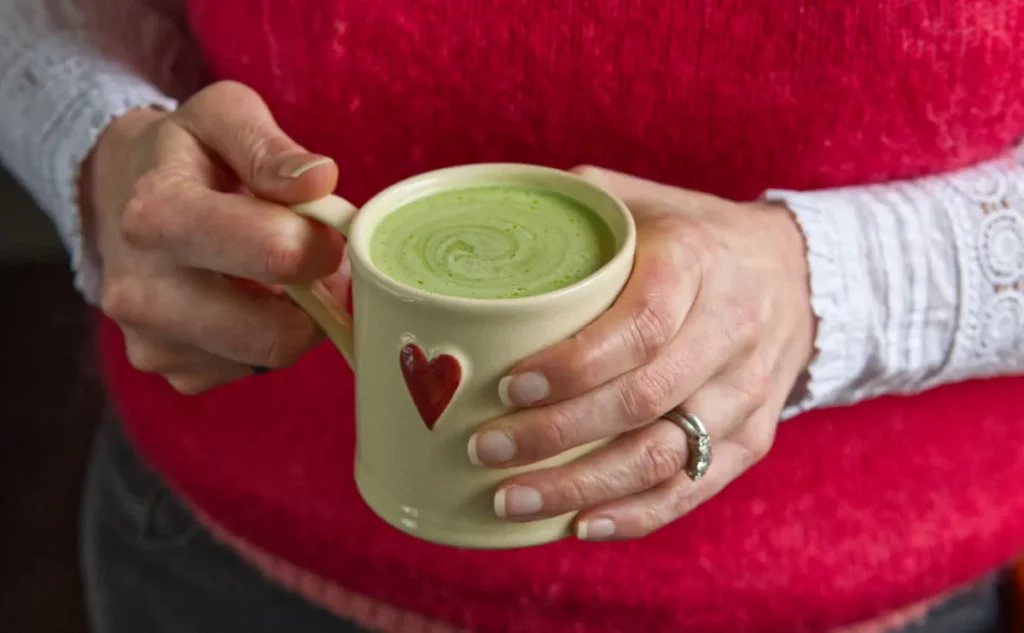
Ingredient: Matcha
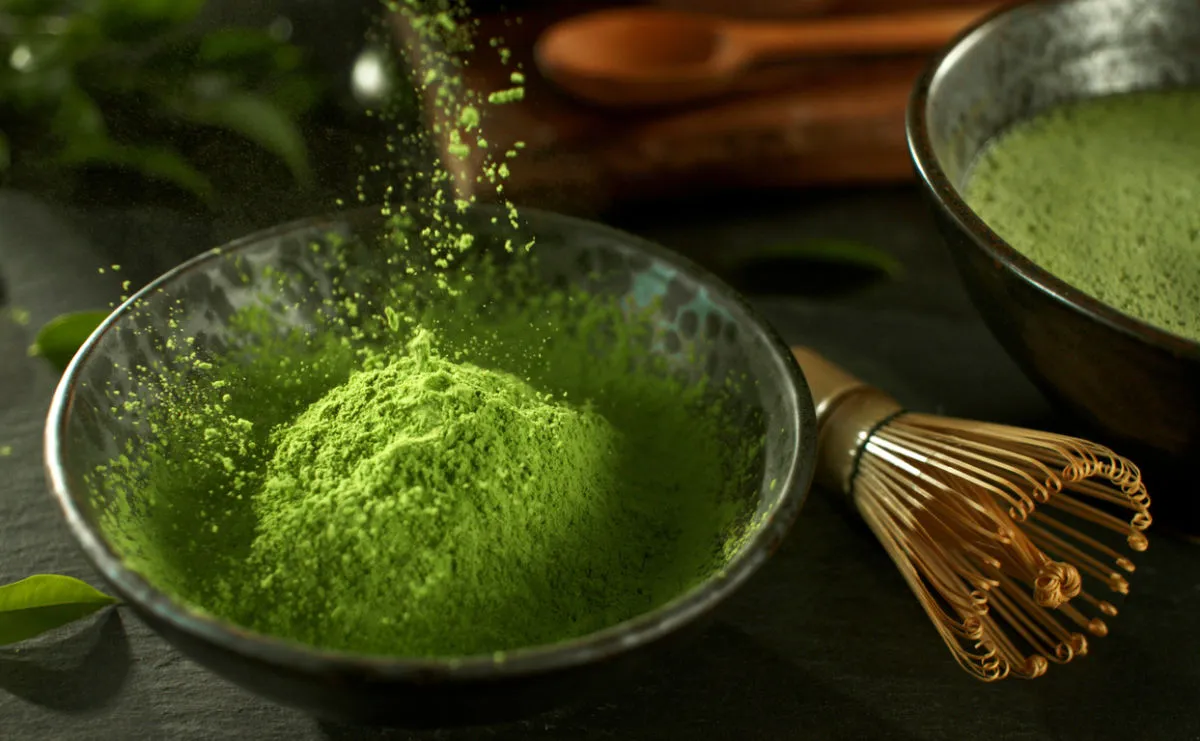
Matcha is the tea Zen monks drank to stay awake through long stretches of meditation.
The idea of grinding tea into powder began in ancient China, and then the Japanese monks brought it back to Japan in the 12th century and held onto it, while China moved on to loose-leaf tea instead.
Matcha comes from green tea leaves grown in the shade for a few weeks before harvest, which gently nudges the plant to produce more chlorophyll (hence the bright green) and more L-theanine, an amino acid that sits alongside the caffeine and takes the edge off it a little. It ends up feeling different to coffee, with a gentler sort of energy that helps with your productivity, without feeling wired.
With matcha, you whisk the whole ground-up leaf into water rather than steeping and throwing it away, so you get more of what’s in it. When you’re buying it, the colour matters too. You’re looking for a bright green as anything duller can taste a bit flat. Ceremonial matcha is the one to drink, while culinary matcha is better suited to cooking, which is where you’ll see it popping up more now, from pancakes to dressings.
I love a cup of warm matcha in the morning to set up my day on the right footing.
Recipes with Matcha…