

Ingredient: Buckwheat Flour
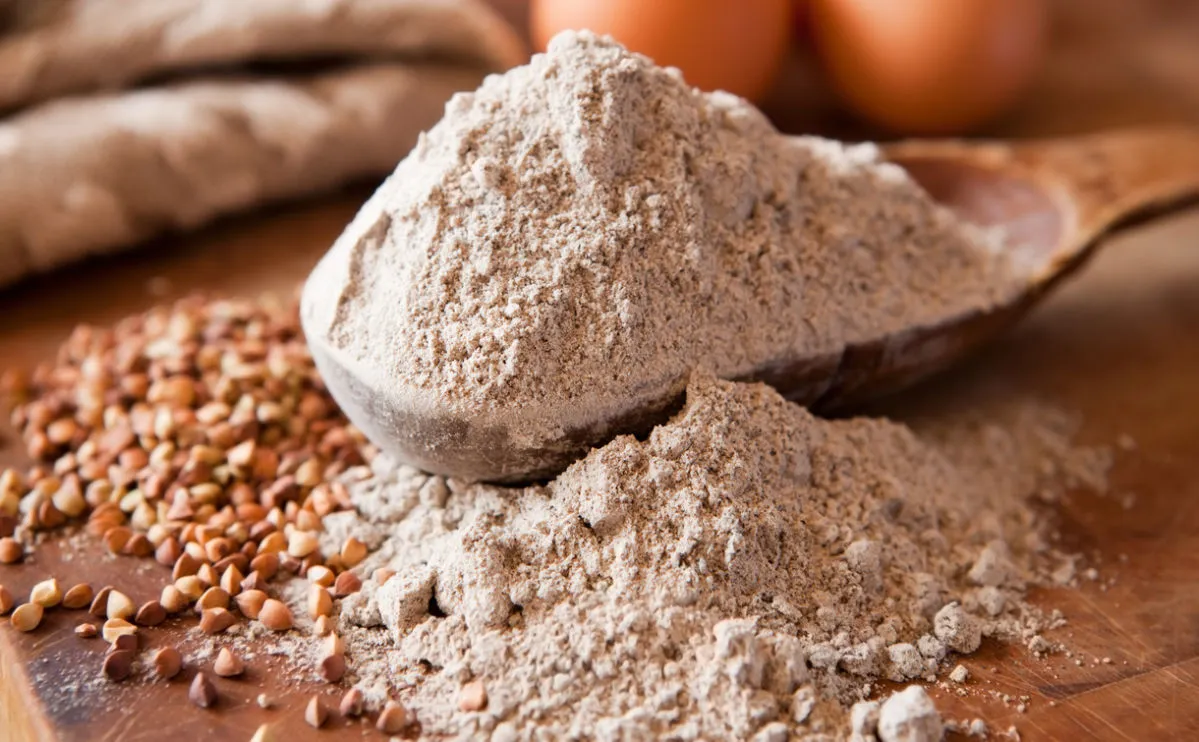
Buckwheat flour isn’t a type of wheat, and it isn’t even a type of grain. It is actually related to rhubarb, no matter how unlikely that sounds. The name comes from the Dutch “boekweit”, as the groats look like tiny beech nuts.
This flour is the star of some classic foods, from French galettes and Japanese soba noodles to Russian blinis. Here we have three completely different food cultures that all decided buckwheat was really worth building a dish around. It was widely grown across Britain a few centuries ago, thriving on poor soils where regular wheat struggled to grow, before it quietly slipped off our radar, whilst Europe and Asia continued to grow it.
Buckwheat flour is gentler on blood sugar levels than regular wheat flour, and it is naturally gluten-free. However, if you are coeliac, you will need to find certified gluten-free buckwheat to avoid any cross-contamination during milling. It helps support the diversity of your beneficial gut bacteria as it contains resistant starches, dietary fibre and polyphenols.
Try adding buckwheat flour to pancakes, perhaps swapping a third of your usual flour for buckwheat, to add a subtle nutty depth and a little more staying power. You’ll then see what the French have been on about.


